Thursday, April 12, 2007
ICRC official says Shafari tortured during detention
Iran, U.S., Iraq
(Al Jazeera, Agencies) - Iranian state television has shown officials from the International Committee of the Red Cross examining an Iranian diplomat who has accused the CIA of torturing him while he was detained in Iraq. Jalal Sharafi was shown in a hospital bed being examined by Peter Stocker from the ICRC and the Iraqi ambassador in footage broadcast on Wednesday.
During the examination, the voice of a doctor could be heard describing how Sharafi - formerly the second-most senior official in Iran's embassy in Baghdad - had been beaten with a cable during his detention. After his visit to the diplomat, Stocker told The Associated Press that he saw wounds on Sharafi's body that "were several weeks old", but said he did not know how the injuries occurred. "I cannot say who did it and where it happened," the ICRC official said. "I can only say that it happened during his detention."
Stocker was accompanied to the hospital by Majid Sheikh, the Iraqi ambassador to Iran. Earlier in the week, Sharafi's Iranian doctors had reported that holes had been drilled into his foot, but the TV images were not clear enough to indicate whether the small, red marks on his foot were indeed holes. Doctors also reported earlier that he had suffered a broken nose, serious injuries to his back, bleeding in his digestive system, and damage to his ears.
None of these injuries has been independently verified, nor were they discernible from the TV footage. Footage released by Iranian TV showed Jalal Sharafi in hospital being examined by doctors. A spokeswoman for the ICRC in Tehran, Katayoun Hosseinnejad, confirmed the visit to Sharafi had taken place and said it had been initiated by the Iranians.
Sharafi was released from Iraq last week and later said that the CIA had questioned him about Iran's relations with Iraq and its assistance to various Iraqi groups. US officials have repeatedly said that Iran provides money and weapons to Shia militias in Iraq. Iran has denied this. On Wednesday the US military put more weapons on display in Baghdad that it said were made in Iran. An army spokesmen said that Iran had trained Iraqi insurgents in the use of roadside bombs as recently as last month.
During the examination, the voice of a doctor could be heard describing how Sharafi - formerly the second-most senior official in Iran's embassy in Baghdad - had been beaten with a cable during his detention. After his visit to the diplomat, Stocker told The Associated Press that he saw wounds on Sharafi's body that "were several weeks old", but said he did not know how the injuries occurred. "I cannot say who did it and where it happened," the ICRC official said. "I can only say that it happened during his detention."
Stocker was accompanied to the hospital by Majid Sheikh, the Iraqi ambassador to Iran. Earlier in the week, Sharafi's Iranian doctors had reported that holes had been drilled into his foot, but the TV images were not clear enough to indicate whether the small, red marks on his foot were indeed holes. Doctors also reported earlier that he had suffered a broken nose, serious injuries to his back, bleeding in his digestive system, and damage to his ears.
None of these injuries has been independently verified, nor were they discernible from the TV footage. Footage released by Iranian TV showed Jalal Sharafi in hospital being examined by doctors. A spokeswoman for the ICRC in Tehran, Katayoun Hosseinnejad, confirmed the visit to Sharafi had taken place and said it had been initiated by the Iranians.
Sharafi was released from Iraq last week and later said that the CIA had questioned him about Iran's relations with Iraq and its assistance to various Iraqi groups. US officials have repeatedly said that Iran provides money and weapons to Shia militias in Iraq. Iran has denied this. On Wednesday the US military put more weapons on display in Baghdad that it said were made in Iran. An army spokesmen said that Iran had trained Iraqi insurgents in the use of roadside bombs as recently as last month.
Labels: CIA, ICRC, International Committee of the Red Cross, Iran, Jalal Sharafi, Peter Stocker, torture


Saturday, April 07, 2007
Released Iranian diplomat says he was tortured by U.S. forces
Iran, U.S.
(DPA) - An Iranian diplomat who arrived in Tehran Tuesday upon release from Iraq was quoted Saturday as saying he had been kidnapped and tortured there by US forces, the official IRNA news agency reported. 'I was transferred to a base near the Baghdad airport after the Iraqi agents working under the control of the (Central Intelligence Agency) CIA kidnapped me,' Jalal Sharafi, second secretary of Iran's embassy in Baghdad, was quoted as saying by IRNA.
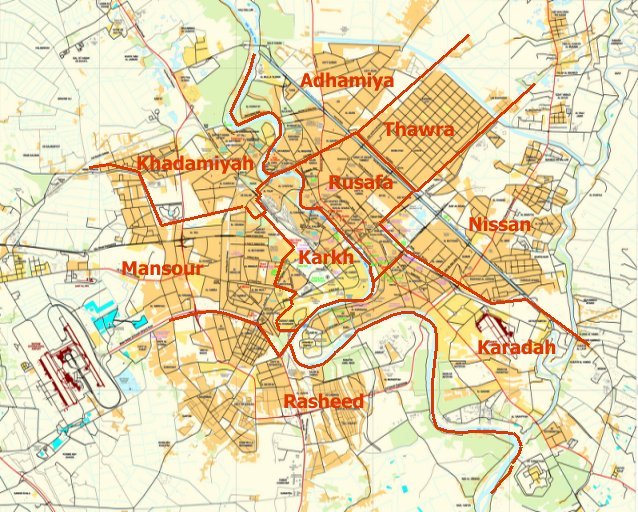
Armed militants dressed as Iraqi soldiers had kidnapped him in the Karada area of central Baghdad on February 4. Iran harshly condemned the abduction as a 'terrorist act'. 'The CIA agents' questions were mainly about Iran's presence and influence in Iraq,' said the diplomat, adding that 'they had severely tortured me when they faced my answers about Iran's official relations with the Iraqi government.'
The allegations follow claims by 15 British naval personnel the previous day that they had been subjected to intense psychological pressure in 13 days of Iranian custody after being seized in the Shatt al-Arab waterway.
Five other Iranians were arrested in January by the US military at a consulate in the northern Iraqi city of Arbil as part of the effort to confront alleged Iranian meddling in Iraq.
Tehran insists the five men were consulate officers and were not involved in militant activities. Washington accuses them of being members of Iran's Revolutionary Guard and providing material support to Shiite militias.
Armed militants dressed as Iraqi soldiers had kidnapped him in the Karada area of central Baghdad on February 4. Iran harshly condemned the abduction as a 'terrorist act'. 'The CIA agents' questions were mainly about Iran's presence and influence in Iraq,' said the diplomat, adding that 'they had severely tortured me when they faced my answers about Iran's official relations with the Iraqi government.'
The allegations follow claims by 15 British naval personnel the previous day that they had been subjected to intense psychological pressure in 13 days of Iranian custody after being seized in the Shatt al-Arab waterway.
Five other Iranians were arrested in January by the US military at a consulate in the northern Iraqi city of Arbil as part of the effort to confront alleged Iranian meddling in Iraq.
Tehran insists the five men were consulate officers and were not involved in militant activities. Washington accuses them of being members of Iran's Revolutionary Guard and providing material support to Shiite militias.
Labels: CIA, Iranian diplomat, Jalal Sharafi, kidnap, torture, U.S.
Tuesday, April 03, 2007
Iranian diplomat seized in Iraq released
Iran, Security
(AP) - An Iranian diplomat seized two months ago in Iraq has been released, Iran's official news agency reported Tuesday, citing informed sources in Tehran. Jalal Sharafi, the second secretary at the Iranian Embassy in Baghdad, will return to the Iranian capital later Tuesday, the Islamic Republic News Agency reported.
The report gave no indication of why or how Sharafi had been freed. He was seized on Feb. 4 when his car was intercepted by vehicles carrying armed men in the Karradah district of Baghdad. The gunmen, who wore Iraqi uniforms, forced him into one of their two vehicles and sped away. Iran said Sharafi had been taken by an Iraqi military unit commanded by the U.S. forces, and said it was holding the Americans responsible for his safety. The U.S. authorities denied any role in his disappearance.
The Iraqi government said it did not know who had taken Sharafi, but Shiite lawmakers said he had been seized by an Iraqi commando unit that reports to the U.S. command — an allegation strongly denied by U.S. spokesmen. Sharafi's disappearance took place as tension mounted between Iran and the United States over alleged Iranian support of Shiite extremists in Iraq and U.S. efforts to force Tehran to stop enriching uranium — a process that can produce material for nuclear reactors or bombs. It also occurred nearly a month after U.S. troops detained five Iranians in northern Iraq and accused them of having links to a network backing armed Shiite groups.
The report gave no indication of why or how Sharafi had been freed. He was seized on Feb. 4 when his car was intercepted by vehicles carrying armed men in the Karradah district of Baghdad. The gunmen, who wore Iraqi uniforms, forced him into one of their two vehicles and sped away. Iran said Sharafi had been taken by an Iraqi military unit commanded by the U.S. forces, and said it was holding the Americans responsible for his safety. The U.S. authorities denied any role in his disappearance.
The Iraqi government said it did not know who had taken Sharafi, but Shiite lawmakers said he had been seized by an Iraqi commando unit that reports to the U.S. command — an allegation strongly denied by U.S. spokesmen. Sharafi's disappearance took place as tension mounted between Iran and the United States over alleged Iranian support of Shiite extremists in Iraq and U.S. efforts to force Tehran to stop enriching uranium — a process that can produce material for nuclear reactors or bombs. It also occurred nearly a month after U.S. troops detained five Iranians in northern Iraq and accused them of having links to a network backing armed Shiite groups.
Labels: hostage, Iran, Jalal Sharafi