Monday, April 23, 2007
Death squads back on Baghdad's streets
Security
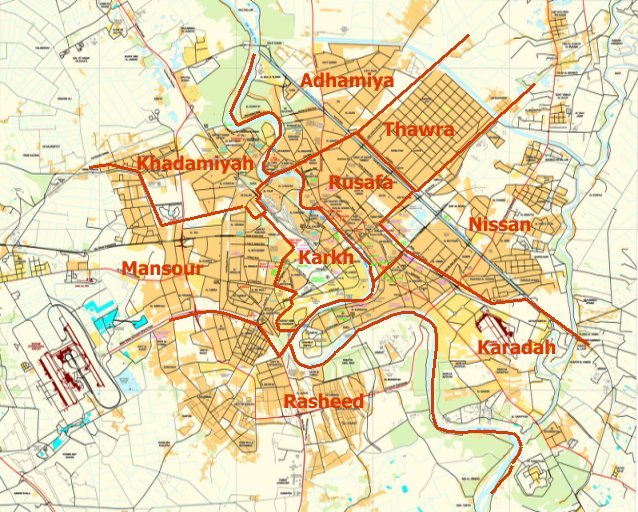
(The Times) - Shi'ite death squads returned to the streets of Baghdad in force last week, claiming more than 100 lives. Shi’ite fury over a spate of Sunni bombings - and the failure of the US troop “surge” to prevent them - led to a sharp rise in the number of murders. According to Iraqi officials, the main culprits were militiamen loyal to the Mahdi Army of the Shi’ite cleric Moqtada al-Sadr.
The majority of the bodies found dumped in ditches and rubbish tips, or simply left on street corners, were those of Sunnis. Most had their hands tied behind their backs and had been tortured before they were shot. Iraqi officials said Shi’ite militiamen who melted away from Baghdad when the troop surge began in mid-February had returned. Many had received fresh training in Iran, they claimed.
The government of Nouri al-Maliki, the prime minister, has alienated the Mahdi Army by ordering Iraqi forces to cooperate with the Americans over a security plan that has led to the arrest of 800 Mahdi fighters. Officially, the Mahdi Army claims to be exercising restraint and to be helping Maliki’s government suppress the insurgency. Unofficially, it is threatening a fresh show of force.
Abdel Mehdi al-Mutayri, one of Sadr’s senior officials, said his fighters were under orders to take no action now. But he warned that Shi’ite anger could not be controlled indefinitely. Last Wednesday’s car-bomb attack on a busy market in Sadriya, which killed more than 140 people on a day when the death toll from bombings exceeded 200, provoked an aggressive response.
“Down with Maliki! Where is the security plan?” shouted an angry Shi’ite mob at Iraqi and US soldiers who scrambled to the scene. Sadr has reacted cautiously nevertheless. Although he withdrew his six ministers from the government last week over Maliki’s refusal to set a timetable for the withdrawal of US troops, he did not signal an all-out revolt by his militia.
One of Sadr’s MPs, Baha al-Araji, said the movement would stay within the political process. “Moqtada is not happy with Maliki’s performance, especially his support for the continuation of the occupation,” he said. While Sadr keeps a low profile, the power on the streets seems to be ebbing away from Maliki and towards the gunmen, with catastrophic results for the scores of families mourning loved ones this weekend.
Labels: Abdel Mehdi al-Mutayri, Baghdad, Mahdi Army, Shiite death squads