Monday, July 09, 2007
Iraqi Islamic Party denies al-Hashimi has turned against al-Maliki
Politics
(Stratfor) - The Iraqi Islamic Party denied that Vice President Tariq al-Hashimi is rallying parliamentarians to cast a vote of no confidence against Prime Minister Nouri al-Maliki, despite al-Hashimi's previous statements of dissatisfaction with the al-Maliki government. The party also denied reports that al-Hashimi met with U.S. Vice President Dick Cheney.
Labels: Dick Cheney, Iraqi Islamic Party, Nouri Al-Maliki, Tariq al-Hashimi


Thursday, May 10, 2007
Iraqis demonstrate against Cheney's visit
Politics
(Al Jazeera) - The US vice-president has urged Iraqi leaders to end fighting and act on overcoming sectarian differences on a visit to Iraq's capital. Dick Cheney kicked off a week-long Middle East tour on Wednesday but his Baghdad stop was met by demonstrations and spiralling violence punctuated by an explosion that shook windows at the US embassy he was at.
He met Nuri al-Maliki, the prime minister, to discuss security issues and "challenges we are facing in our own political process". He also urged parliament to abandon plans for a two-month summer vacation, saying with important issues pending, "any undue delay would be difficult to explain".
Cheney said Iraqi leaders felt sectarian violence was "down fairly dramatically" even though car bombings and suicide attacks still claim a heavy toll. "I think everybody recognises there still are serious security problems, security threats, no question about it", adding that "we've got a long way to go. I emphasised the importance of making progress on the issues before us, not only the security issues but also on the political issues that are pending before the Iraqi government," he said. "I do believe that there is a greater sense of urgency now than I'd seen previously."
Despite his claims of progress, hundreds of Iraqis took to the streets of Baghdad and Najaf to protest against his visit and call for the withdrawal of US troops. Cheney was at the US embassy inside the heavily protected Green Zone in central Baghdad when an explosion rattled windows, prompting officials to move reporters to the basement for several minutes.
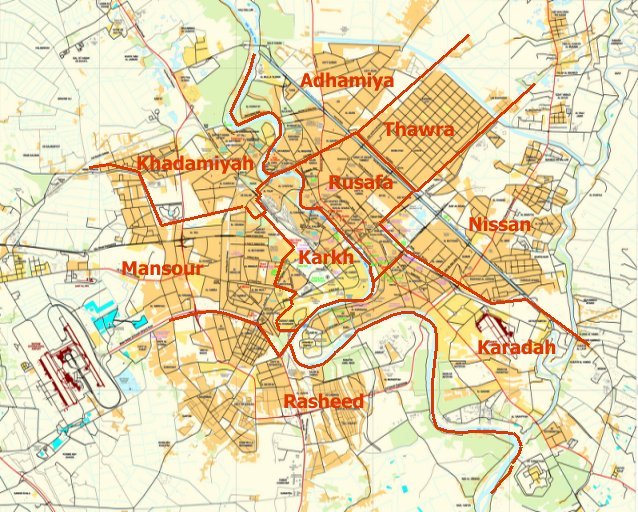
Witnesses said a mortar or rocket appeared to have been fired from the mostly Shia areas on the east side of the Tigris river towards the Green Zone. In Washington, sagging public opinion of George Bush, the US president, has put pressure on the White House to show al-Maliki's government is making progress in attaining stability.
He met Nuri al-Maliki, the prime minister, to discuss security issues and "challenges we are facing in our own political process". He also urged parliament to abandon plans for a two-month summer vacation, saying with important issues pending, "any undue delay would be difficult to explain".
Cheney said Iraqi leaders felt sectarian violence was "down fairly dramatically" even though car bombings and suicide attacks still claim a heavy toll. "I think everybody recognises there still are serious security problems, security threats, no question about it", adding that "we've got a long way to go. I emphasised the importance of making progress on the issues before us, not only the security issues but also on the political issues that are pending before the Iraqi government," he said. "I do believe that there is a greater sense of urgency now than I'd seen previously."
Despite his claims of progress, hundreds of Iraqis took to the streets of Baghdad and Najaf to protest against his visit and call for the withdrawal of US troops. Cheney was at the US embassy inside the heavily protected Green Zone in central Baghdad when an explosion rattled windows, prompting officials to move reporters to the basement for several minutes.
Witnesses said a mortar or rocket appeared to have been fired from the mostly Shia areas on the east side of the Tigris river towards the Green Zone. In Washington, sagging public opinion of George Bush, the US president, has put pressure on the White House to show al-Maliki's government is making progress in attaining stability.
US troop withdrawal will begin later this year if progress is shown. The vice-president's visit comes two days after Bush held a video conference with al-Maliki about achieving political reconciliation among the majority Shia, the Sunnis and the Kurds.
Labels: demonstration, Dick Cheney, IDF, Najaf, Nouri Al-Maliki, politics, violence
Wednesday, May 09, 2007
Suicide truck bomb kills 19 in Irbil
Security, Kurdistan
(AP) - A suicide truck bomb ripped through the Interior Ministry in the relatively peaceful Kurdish city of Irbil on Wednesday morning, killing at least 19 people and wounding 80, officials said. Kurdish officials blamed al-Qaida linked insurgents for the devastating attack.
The bombing came just as Vice President Dick Cheney arrived in Baghdad for an unannounced visit that was to include meetings with top Iraqi government officials, leaders of influential Iraqi factions and the senior U.S. military commander here. Cheney's visit was aimed at encouraging rival Iraqi factions to work together to overcome their divisions to work together to end the conflict.
The explosion in Irbil, 215 miles north of Baghdad, underscored how even relatively safe areas of the country were not immune from the violence. Irbil, the capital of the autonomous Kurdistan region, had been spared much of the violence wracking the rest of Iraq. The Interior Ministry building was badly damaged. Kurdish television showed rubble laying in piles and twisted metal beams. Rescue workers reached into the wreckage to pull out one of the victims of the blast. Windows were blown out down the street and wreckage was scattered nearly 100 yards away.
The nearby security headquarters was also damaged. Zariyan Othman, the Kurdish health minister, said 19 people were killed and 80 were wounded, including five who were in serious condition. Hamza Ahmed, a spokesman for the Irbil governor's office, said the dead and wounded included police and civilians.
Kurdish lawmaker Mahmoud Othman blamed the attack on Ansar al-Sunnah, a Sunni Arab insurgent group, and Ansar al-Islam, a mostly Kurdish militant group with ties to al-Qaida in Iraq. Ansar al-Islam has been blamed for a number of attacks, including attempts to assassinate Kurdish officials. Othman said authorities learned that insurgents were planning a large attack a week ago when police arrested a militant cell in the town of Sulaimaniyah.
"During questioning they confessed that were getting training lessons in a neighboring country and that was
Iran," he said. The last major attack in Irbil took place Feb. 1, 2004, when twin suicide bombers killed 109 people in two Kurdish party offices. Ansar al-Sunnah claimed responsibility for that attack. "Kurdistan is a safe region and this will have its affect on trade, and companies will fear coming to this region," Othman said.
The bombing came just as Vice President Dick Cheney arrived in Baghdad for an unannounced visit that was to include meetings with top Iraqi government officials, leaders of influential Iraqi factions and the senior U.S. military commander here. Cheney's visit was aimed at encouraging rival Iraqi factions to work together to overcome their divisions to work together to end the conflict.
The explosion in Irbil, 215 miles north of Baghdad, underscored how even relatively safe areas of the country were not immune from the violence. Irbil, the capital of the autonomous Kurdistan region, had been spared much of the violence wracking the rest of Iraq. The Interior Ministry building was badly damaged. Kurdish television showed rubble laying in piles and twisted metal beams. Rescue workers reached into the wreckage to pull out one of the victims of the blast. Windows were blown out down the street and wreckage was scattered nearly 100 yards away.
The nearby security headquarters was also damaged. Zariyan Othman, the Kurdish health minister, said 19 people were killed and 80 were wounded, including five who were in serious condition. Hamza Ahmed, a spokesman for the Irbil governor's office, said the dead and wounded included police and civilians.
Kurdish lawmaker Mahmoud Othman blamed the attack on Ansar al-Sunnah, a Sunni Arab insurgent group, and Ansar al-Islam, a mostly Kurdish militant group with ties to al-Qaida in Iraq. Ansar al-Islam has been blamed for a number of attacks, including attempts to assassinate Kurdish officials. Othman said authorities learned that insurgents were planning a large attack a week ago when police arrested a militant cell in the town of Sulaimaniyah.
"During questioning they confessed that were getting training lessons in a neighboring country and that was
Iran," he said. The last major attack in Irbil took place Feb. 1, 2004, when twin suicide bombers killed 109 people in two Kurdish party offices. Ansar al-Sunnah claimed responsibility for that attack. "Kurdistan is a safe region and this will have its affect on trade, and companies will fear coming to this region," Othman said.
Labels: Ansar al-Sunnah, Dick Cheney, Irbil, Kurdistan, Ministry of Interior, suicide truck bomber, Zariyan Othman